Teaching Connection Through Kinesthetics
John Thornell
by Jim Lister, Head Coach Women's Rowing, Colgate University
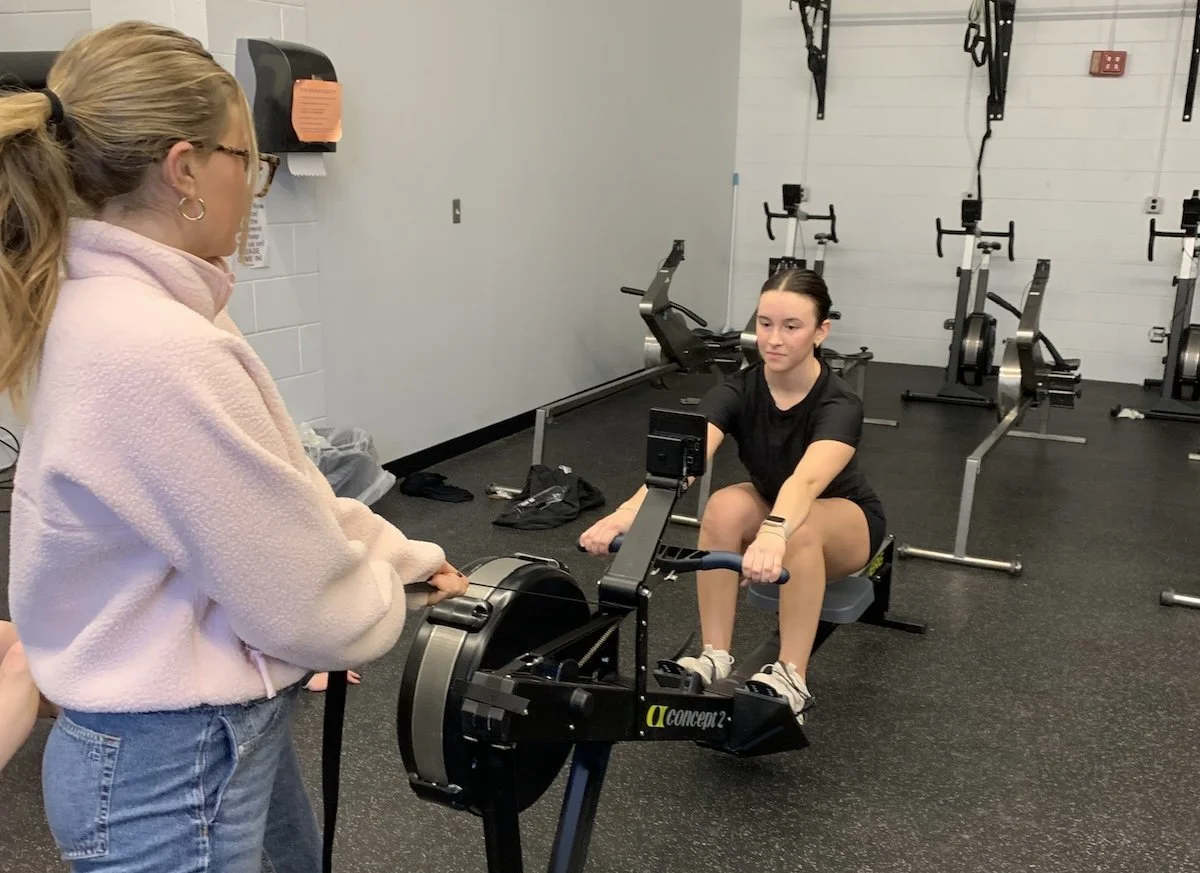
How do we teach connection to our athletes?
First, we need to define what good connection is. This means engaging the correct muscle groups—typically the stronger, more powerful ones like the glutes and lats—while following an intentional sequencing pattern (which may vary by coach preference). Second, we must consider the feedback loop for the athlete. Is that feedback delivered through data, such as an RP3 screen or Excel sheets in the Peach system? Or can it be taught through kinesthetic learning—where athletes learn best by physically doing, feeling, and moving rather than just watching or listening?
The Grok Rowing Adjustable Suspension Strap has proven to be an excellent tool for teaching connection through kinesthetic learning. It helps rowers identify both the correct muscle groups and the appropriate sequencing at different points of the stroke. We use the strap for short sets of five repetitions at the catch, three-quarter slide, and half slide. At each position, athletes focus on engaging specific muscles, allowing them to feel the differences, evaluate what they are using, and begin building durable muscle memory.
Our coxswains have also been trained to lead these sessions, making the tool easy to integrate consistently throughout the season. We have purchased multiple sets of the Suspension Strap and Adjustable Suspension Strap so larger groups of rowers can work together, reinforcing shared language and technique across the team.